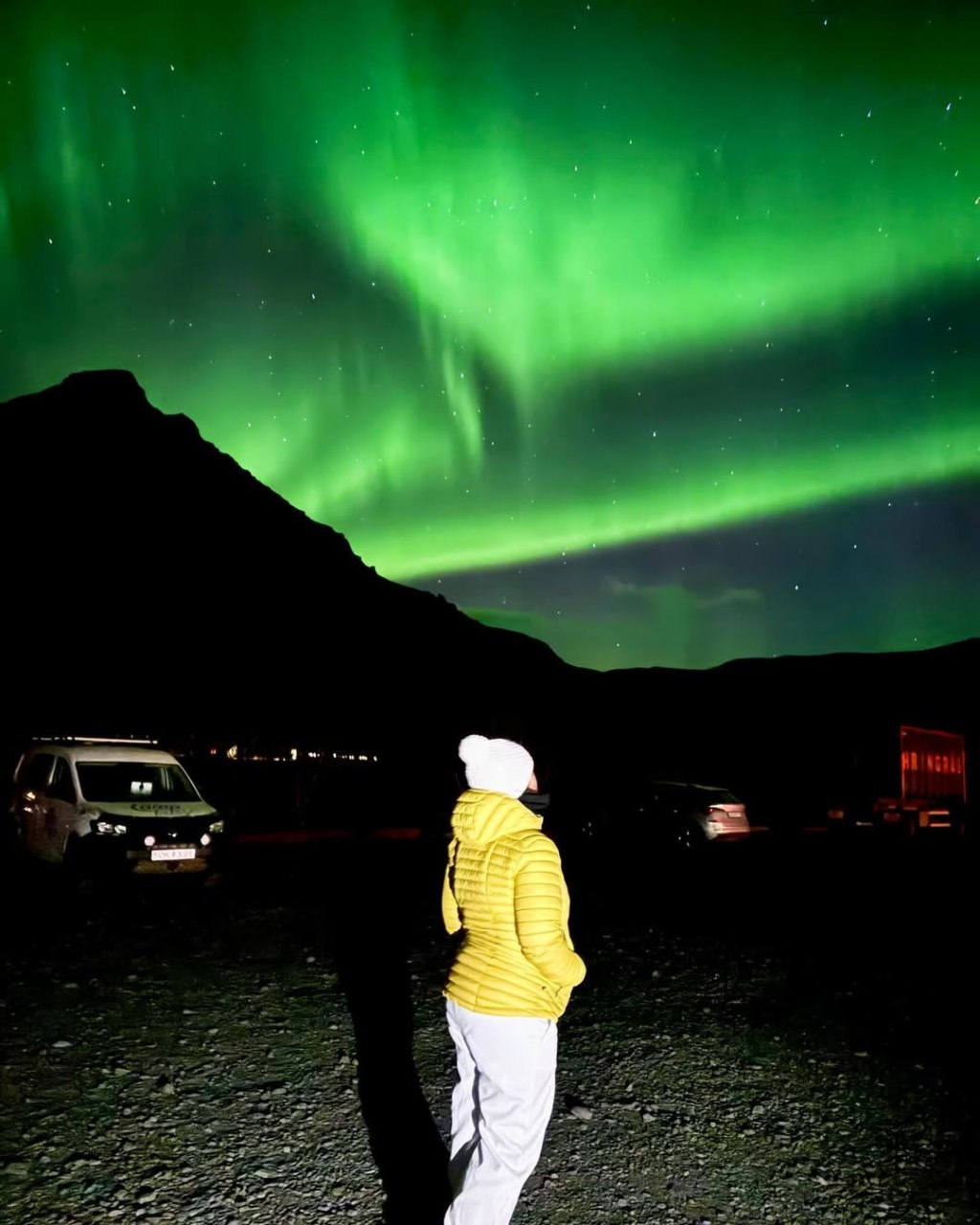
First of all, congratulations on choosing this stunning country to travel to. Iceland is a country that feels otherworldly from the moment you land. Volcanoes, glaciers, black sand beaches, ice caves, dramatic waterfalls, and even the possibility of seeing the Northern Lights, it is a destination that captures your imagination like few others.
But planning a trip to Iceland can feel overwhelming. The weather is unpredictable, distances are long, and costs can add up quickly. So, after traveling through Iceland ourselves, we’ve put together this detailed guide to help you plan your Iceland trip.
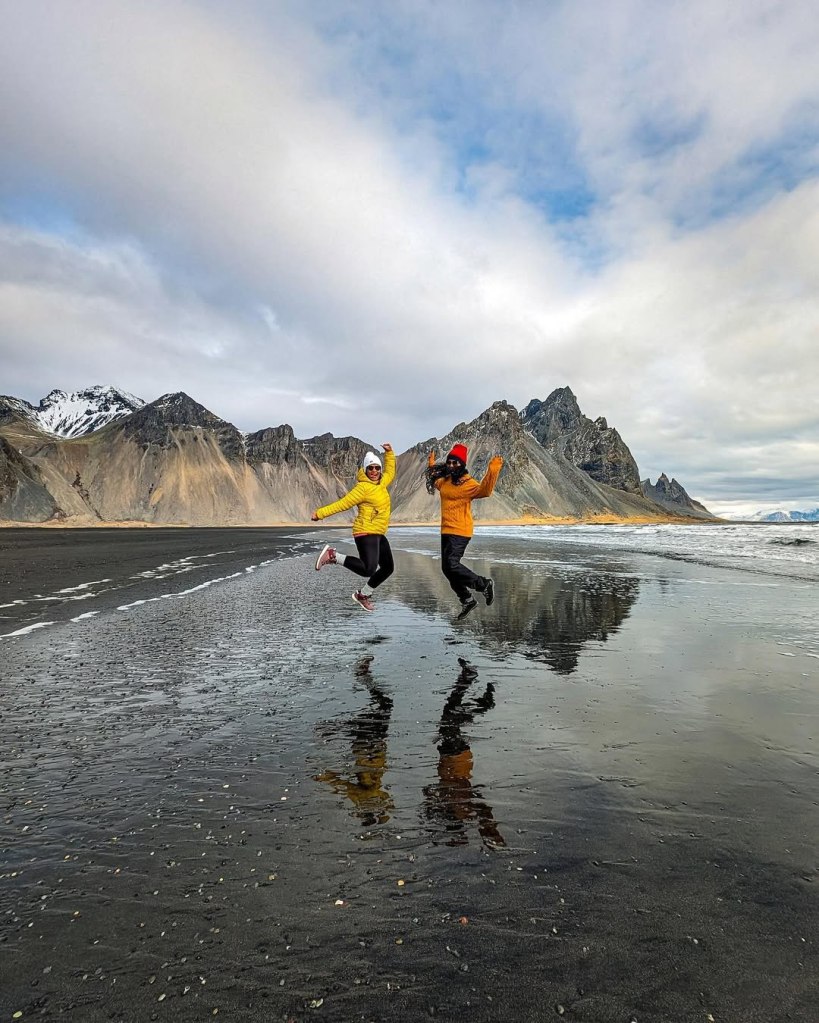
Vestrahorn, Iceland
When to Visit Iceland?
There is actually no “bad” time to visit Iceland, it just depends on what you want to experience.
- Summer (June–August):
- 18–21 hours of daylight.
- All roads (including the highland F-roads) are open.
- Perfect for hiking, road trips, and camping.
- Wildlife highlights: puffins and whales.
- Cons: more expensive and very crowded at major attractions.
- Winter (November–March):
- Short days (4–7 hours of daylight).
- Best season for Northern Lights.
- Activities: glacier hikes, ice cave tours, snow-covered waterfalls.
- Cons: road closures, snowstorms, and difficult driving conditions.
- Shoulder Season (April–May, September–October):
- Our favorite. A balance between summer and winter.
- Good chance of seeing Northern Lights.
- Roads are mostly accessible.
- Fewer crowds and relatively affordable.
For monthly temperatures and daylight hours, check Vedur.is.
Getting Around Iceland
Public transportation is very limited outside Reykjavík, so the best way to see Iceland is by renting a car or campervan.
- Car rentals: Blue Car Rental, Rent.is
- Campervans: GoCampers, Happy Campers, Indie Campers, Rent.is, Kuku Campers, CampEasy
We booked a Hilux 4×4 with Rent.is, and it was probably the best decision of our trip. The car was spacious enough for four people, both for driving and for sleeping. The only downside is that you need to be a confident driver, the Hilux is a large vehicle and can be difficult to handle, especially in Iceland’s strong winds.
Here are some driving tips, from our experience:
- Always get insurance, yes even gravel, sand & ash, and collision protection. Iceland’s weather can cause unexpected damage and it is better to be safe than sorry.
- Check the weather first thing every morning before you plan your day’s route.
- Check live road conditions at Road.is and amend plans accordingly.
- Maintain speed limit at all times, also note that there is a zero tolerance policy for DUI
- Many tourist spots have parking fees, ensure to look out for information boards and pay on the Parka app.
- Driving in Iceland is generally safe, but it should only be attempted if you’re a confident driver. We personally got stuck in a blizzard twice, and it taught us that the winds here should never be underestimated. In winter especially, conditions can be tricky, snow drifts (often called snow snakes) and black ice are common, and they make driving more challenging than it looks.
Ring Road or Route 1
The Ring Road is Iceland’s main highway, circling the island for 1,322 km. It connects most of the country’s iconic sights.
- Duration: Plan at least 8-12 days to complete the loop, depending on the season.
- Direction: North-to-south or south-to-north both work. The south coast is busier because it holds the most famous attractions.
- Buffer days: Always make sure to have 1-2 extra days for weather delays.
If you have fewer days, you can focus on South Iceland (Golden Circle, waterfalls, black sand beaches, glaciers), which is doable in 3-5 days.
Where to Go in Iceland
Snæfellsnes Peninsula (West Iceland)
Known as “Mini Iceland,” this region offers a little bit of everything, waterfalls, cliffs, basalt formations, lava fields, and the striking black church at Búðir. It is also home to the iconic Kirkjufell, often called Arrowhead Mountain, one of the most photographed peaks in the country. And for literature lovers, Jules Verne’s Journey to the Centre of the Earth was inspired by Snæfellsjökull, the glacier-volcano in this very region.
North Iceland & Mývatn
- Akureyri: Iceland’s second-largest city. Charming town with museums, a botanical garden, and a nearby beer spa.
- Goðafoss:”Waterfall of the Gods”, one of the most stunning waterfalls we’ve seen.
- Mývatn: Geothermal areas, volcanic craters, and the Mývatn Nature Baths (a quieter alternative to Blue Lagoon).
- Húsavík: Famous for whale watching.
Eastfjords
- Known for remote fishing villages, dramatic fjords, and colorful towns like Seyðisfjörður with its rainbow street.
- Fewer tourists, which makes it a peaceful region to explore.
South Coast
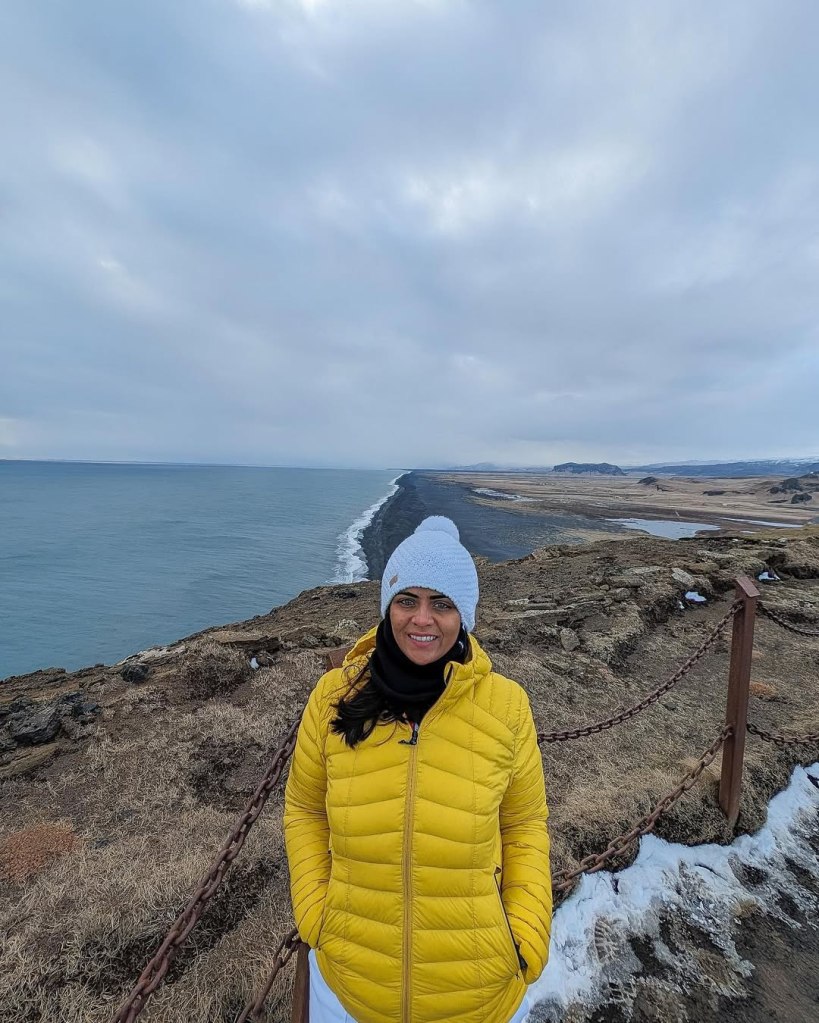
- Vestrahorn: A photogenic mountain with black sand beaches, and personally our favourite mountain.
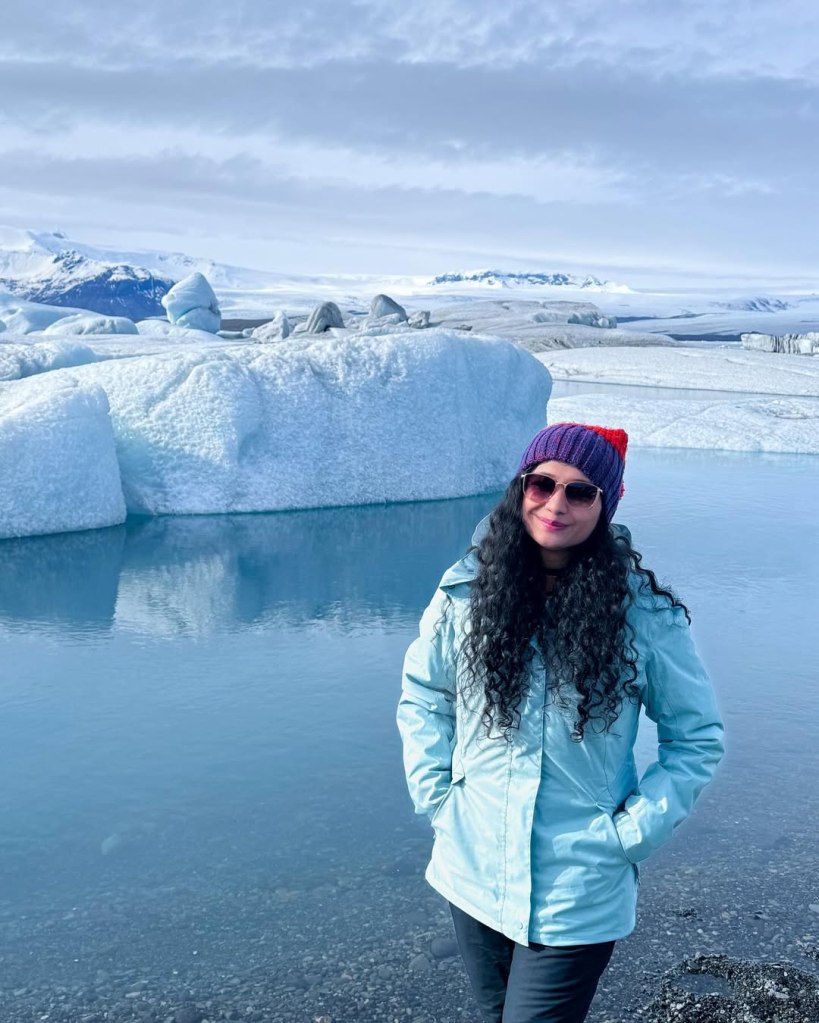
- Jökulsárlón Glacier Lagoon & Diamond Beach: Floating icebergs and glittering ice blocks on black sand.
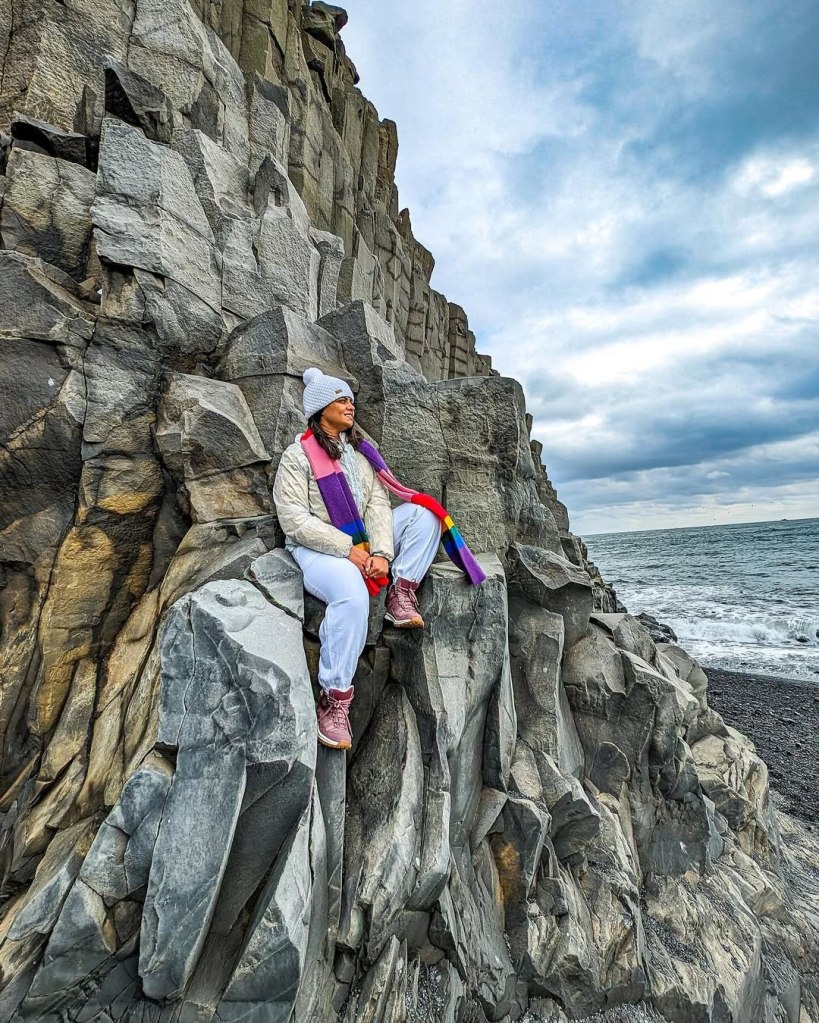
- Reynisfjara Beach: Basalt columns and dramatic sea stacks. But, please exercise caution, sneaker waves are dangerously famous here.
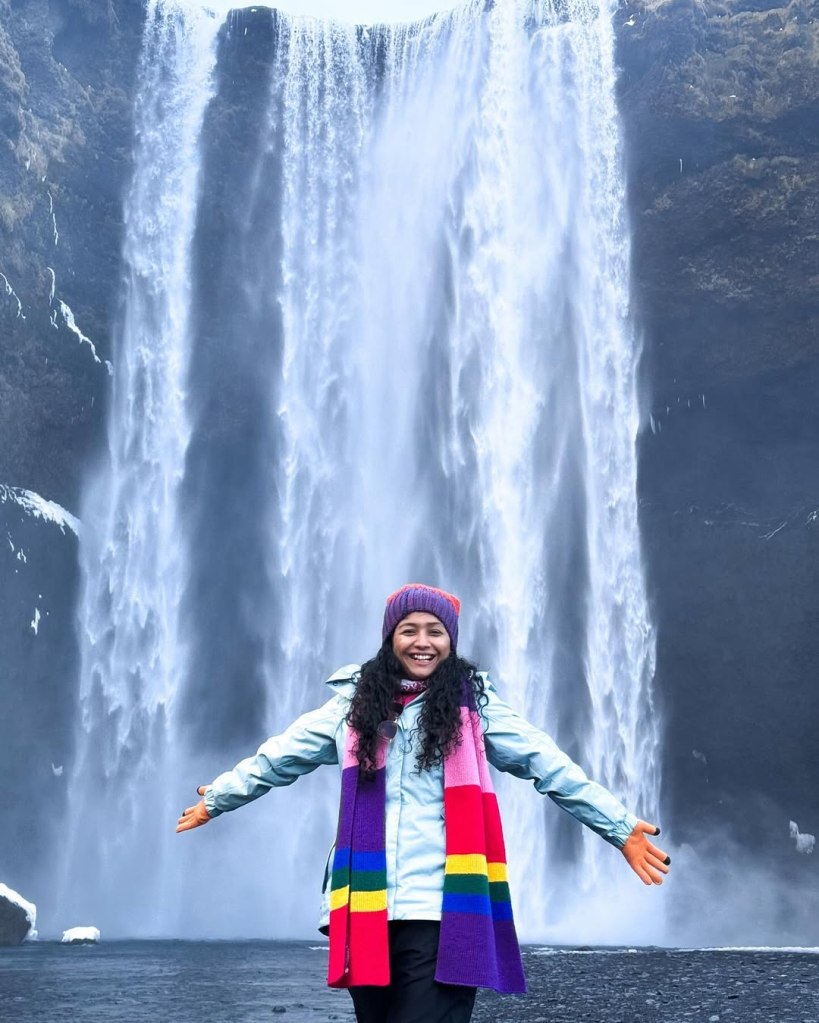
- Skógafoss & Seljalandsfoss: Two of Iceland’s most beautiful and iconic waterfalls.
Golden Circle
- Þingvellir National Park: A UNESCO site where you can see the Tectonic plate rift.
- Geysir & Strokkur: Erupting hot springs.
- Gullfoss: A powerful double waterfall, with two distinct drops that total around 105 feet (32 meters) in height.
- Snorkeling in Silfra: In ice cold water which is the clearest water we’ve seen, and the best part? You get to snorkel between two continents.
Accommodation Options
- Hotels & Guesthouses: Comfortable, but super expensive, especially in peak season.
- Campsites: Find campsites along your route here. Some campsites are open only during summer months, so confirm with them in advance. This is an affordable and great way, if traveling in a camper.
- Mixed option: Many travelers, us including, combine campervan nights with occasional hotel stays for comfort.
- Here’s a list of Hotels/AirBnbs we stayed at –
Essential Apps & Websites
- SafeTravel – Safety alerts for extreme weather and geological alerts.
- Vedur.is – Weather forecasts.
- Road.is – For live road conditions.
- My Aurora Forecast – Aurora tracking.
- Parka – Parking payment.
Food, Groceries & Budget Tips
- Groceries: Shop at Bónus and Krónan. They are the most affordable options. But, they are not in every town. So, plan your shopping in advance.
- Eating out: Restaurants are generally expensive. Bæjarins Beztu Pylsur in Reykjavík, Black Crust Pizzeria in Vik, Friðheimar in Selfoss are well known.
- Alcohol: Don’t forget to buy alcohol at the airport duty-free on arrival. Inside Iceland, alcohol is only sold in state-run Vínbúðin stores, which have limited hours and are closed on Sundays.
What to pack for Iceland?
It really depends on the weather, but layering correctly makes all the difference. Here’s a video to help you understand how to dress the right way so you can enjoy your trip even in extreme cold and strong winds. In general, pack sturdy waterproof boots, a reliable waterproof jacket, and scarves or buffs to cover your neck and mouth, these will protect you against Iceland’s powerful gusts. And don’t forget to pack a swim suit for the hot springs.
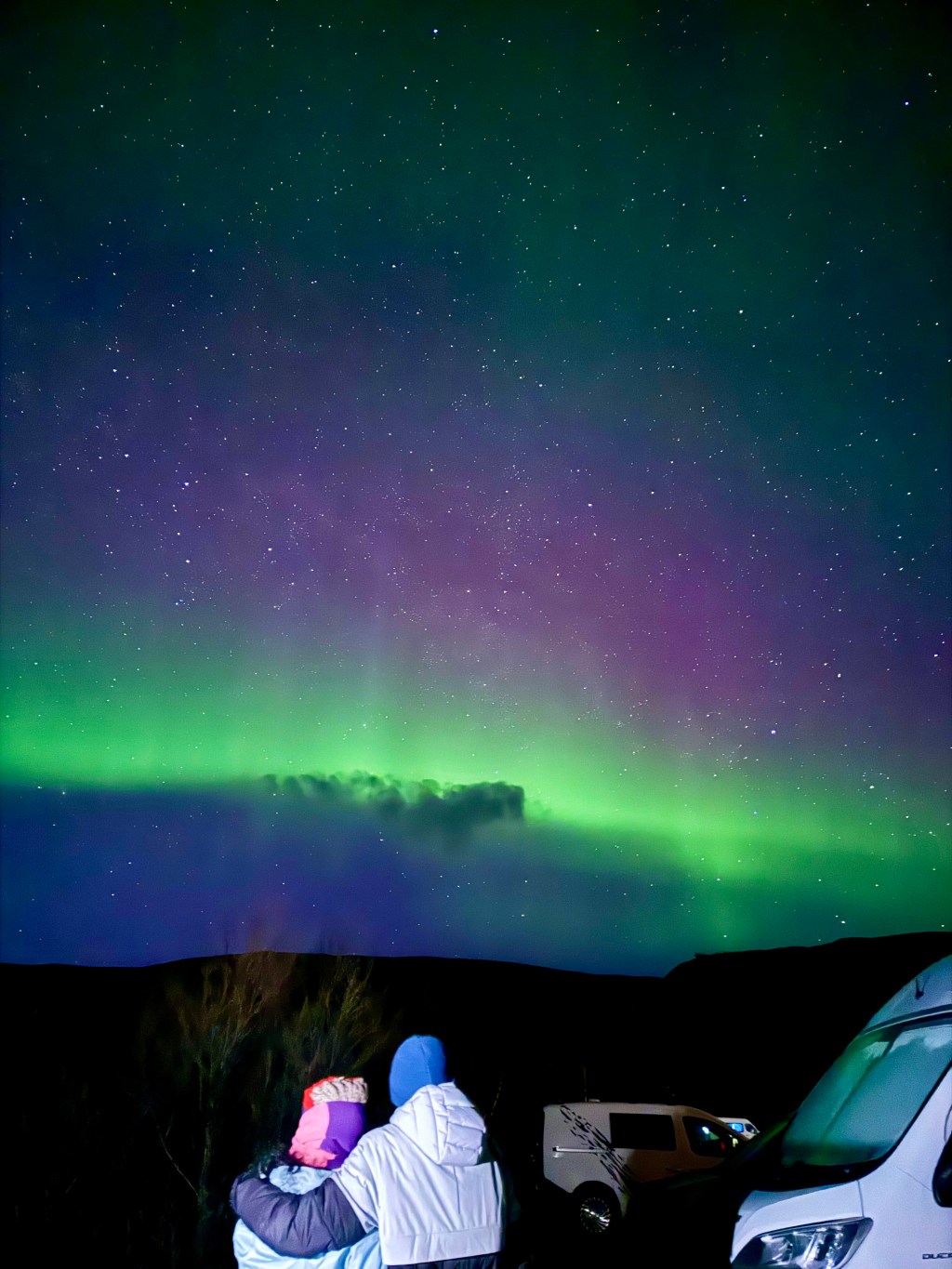
Northern Lights in Iceland
- Best season: September–April.
- How to see them:
- Keep an open mind, and be ready to stretch late into the night.
- Check forecasts on My Aurora Forecast.
- Look for a KP index of 3 or more and clear skies.
- Tours vs DIY:
- If you are renting a car, you can easily see them on your own. Just drive away from city lights.
- If not, book a guided tour with flexible rebooking options, like this Northern Lights Tour.
(You can download the GetYourGuide app to book the tour and use our code – WINDINGROADSANDPAGES5 to get a 5% discount on booking.)
Final Travel Tips
- Always hold your car doors in the wind. Damage from gusts is common.
- Respect warning signs at beaches and waterfalls.
- Use Apple Maps for navigation; surprisingly, it works better than Google Maps in Iceland.
- Be flexible. Weather can disrupt even the most detailed itinerary.
Frequently Asked Questions
- Is Iceland expensive?
We’d say yes. Food, fuel, and accommodation are costly. But, you can plan a decently budget trip by shopping in Grocery stores, staying in campsites and planning your route well. - Can I do Iceland in 5 days?
Yes you can, but focus only on South Iceland (Golden Circle + South Coast). Don’t try and squeeze in the Ring Road, leave that for longer trips. - Do I need cash?
Absolutely not. Iceland is almost entirely cashless. Cards work everywhere. - Do I need to book in advance?
Yes, especially in summer. Book accommodation, car rentals, and popular tours early, about 3 months in advance - What’s the best way to see the Northern Lights?
You need to travel during the season, this is not a year round phenomenon. Download and check the aurora forecast in advance. On nights with KP index of 3+, drive away from city lights in the night and wait patiently. - Where should I get a SIM Card?
Since we were renting a car, we found it easier to get a Wifi Router from the car rental company. This gave the entire group access to the internet and made sure that we had access to maps and were connected in case of emergencies.
Iceland is not just a destination, it is an experience of extremes. With careful planning and flexibility, you can explore its glaciers, volcanoes, fjords, and hot springs while being prepared for sudden weather changes. Whether you have 5 days or 2 weeks, Iceland will leave a lasting impression that few places in the world can match.
 Winding Roads & Pages
Leave a comment